

Discover how to safely choose the right meditation styles for your needs.
Get practical tips, safety advice, and grounding techniques from The Calm Collab.
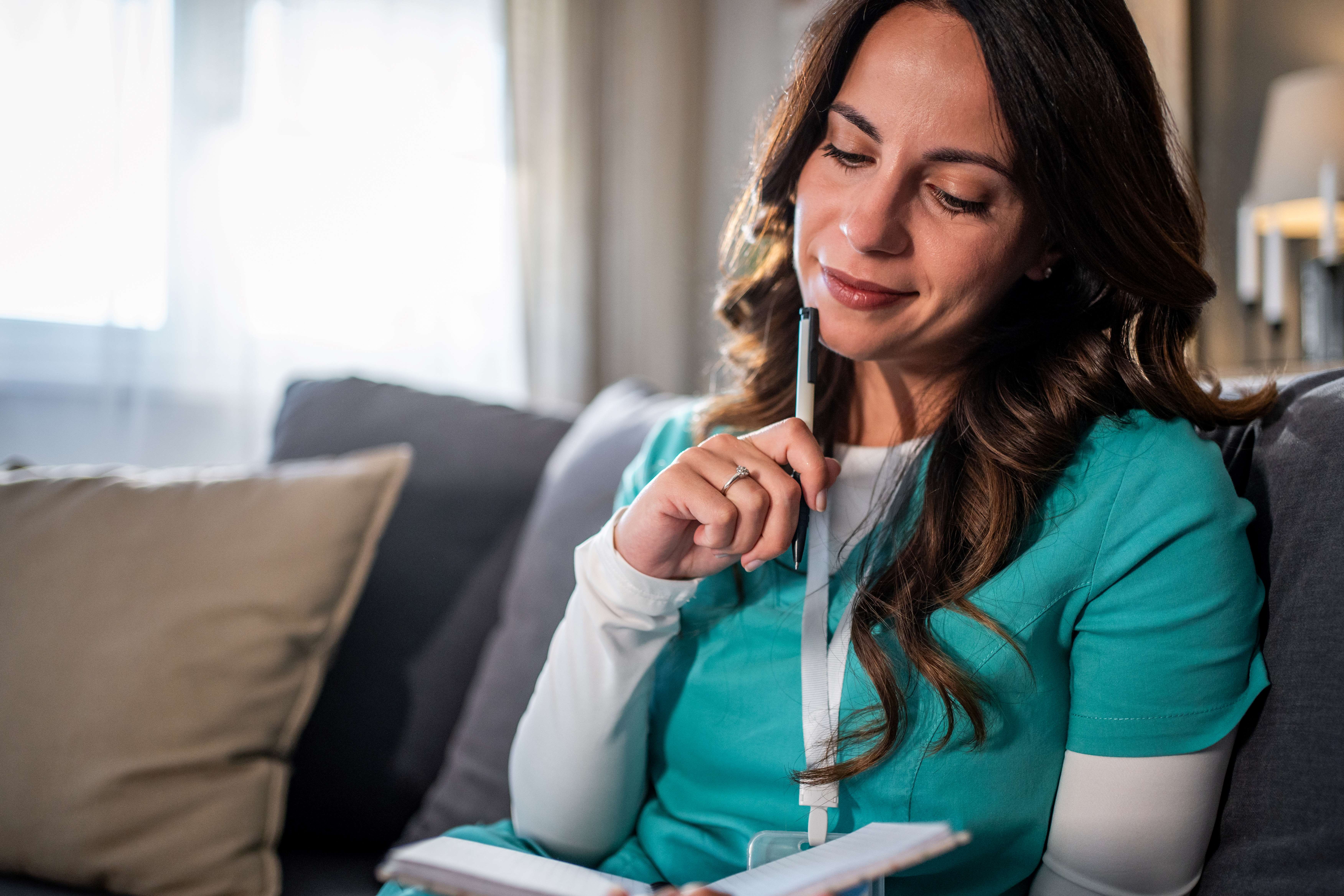
There are many different styles of meditation, including guided visualisation, mindfulness, walking meditation/movement meditation, concentrative meditation, mantra meditation, positive affirmation practices, loving-kindness meditation, zen meditation and sound-based practices (Hwang et al., 2023 & Cunningham, 2018a). For beginners, one of the most helpful things you can do is explore a variety of approaches and notice what feels supportive for you.
This can include reaching out to your workplace wellbeing team, which may have appropriate resources, recommendations or meditation services available, both in and out of the workplace. For practice on days off or at home, you can explore local face-to-face sessions through platforms such as Eventbrite, book a group or individual session with The Calm Collab, or access reputable guided practices through Youtube or meditation apps.
Importantly, ensure that any meditation teacher you engage with is reputable, appropriately trained and able to provide evidence-based and trauma-informed practices with safety in mind.
If you’re not sure where to begin, explore some of the following practical steps and adapt them to suit your holistic needs and preferences:
- Schedule a time that is realistic for you. This may be before or after a shift, before your morning coffee, during the day, or part of your evening routine.
- Choose an area where meditation can safely take place. This may be a favourite spot in your home such as a reading corner, your garden, next to a window with a favourite view or perhaps beside your bed (Cunningham, 2018b).
- Create a calming environment that supports your nervous system. This may include lighting, scents (where appropriate) (Langley-Brady, 2023), or other sensory elements that feel familiar. Engaging your senses may help your nervous system to recognise safety and support settling.
- Find a comfortable position. This may involve sitting on a chair with your back straight and feet flat on the floor, sitting on a pillow on the floor with your back supported against your bed, hands resting gently on your thighs or lying comfortably on your bed.
- Allow your eyes to gradually soften or close.
- Notice your breath without trying to change or alter it in any way.
- Bring gentle awareness to the movement of your breath.
- Practice your chosen meditation style for a few minutes.
- Allow time for grounding and transition afterwards by gradually bringing awareness back to your surroundings. This may include noticing external sounds, the light around you, or the support beneath you.
- As your awareness returns to the present moment, you may wish to gently stretch, sip water or step outside briefly.
- Allow yourself time to transition back to your next task.
- Revisit your practice at a time that suits you the next day to help build consistency.
Although meditation is often used to support wellbeing, emerging research suggests that some individuals can experience adverse effects, specifically those with a history of trauma or significant mental health concerns (Cheng et al., 2025 & Davies et al., 2026). It’s important to choose practices that feel appropriate for your individual circumstances and guidance from a qualified meditation teacher may help ensure meditation is practiced safely and appropriately.
Importantly, meditation should be practiced in a safe environment where you are unlikely to be interrupted, as sudden disruptions can be unsettling for your nervous system. Meditation should also be avoided during activities that require your full attention.
If at any time your practice feels overwhelming, distressing or unsettling, discontinue the practice and seek professional support and/or assistance.
During meditation, there may be times when you encounter challenges. This is often a normal part of the process as meditation takes practice and consistency. It is important not to allow these challenges to become barriers to your practice.
If you find yourself experiencing challenges, you may wish to try:
- Exploring different meditation styles to identify what you respond best to.
- Trialling different times throughout the day to see what works for you and your nervous system.
- Exploring different locations in your home to identify where you feel most comfortable and at ease.
- Trying different postures or positions and allowing yourself to gently reposition yourself as needed, without judgement.
- Minimising distractions where possible, such as placing a ‘do not disturb sign’ on your door or informing your family of your practice time.
- Acknowledging wandering thoughts without judgement and gently bringing your awareness back to your breath.
- Scheduling meditation into your calendar or setting yourself a reminder on your phone to help build consistency.
- Keeping a reflective journal of how you felt before and after each practice. This may help to maintain motivation by allowing you to observe any changes and the impact of your practice.
- Understanding that meditation does not need to be perfect and does not require complete silence or stillness. What is important is creating small moments of intentional practice that build consistency and support regulation over time.
An often overlooked part of meditation practice is grounding. Grounding helps you gently return to the present moment and transition back into your environment following meditation. Incorporating grounding at the end of your practice can help bring awareness back to your body and your surroundings.
Helpful grounding techniques may include taking several slower breaths, acknowledging the sounds around you, gently opening your eyes and noticing the light and colour that enter your eyes, or bringing awareness to your feet making contact with the floor. Once your awareness gently returns, you may wish to sip water, stretch softly or step outside briefly.
For nurses and midwives who may be frequently overstimulated, grounding is an important and highly encouraged part of the meditation process.
Disclaimer: Meditation practices are complementary wellbeing strategies and do not replace professional medical advice, psychological support or mental health treatment.
As a former Registered Nurse (both in the UK and Australia) and Registered Paramedic (previously working on the frontline in Australia), Sophie Griffiths founded The Calm Collab to support healthcare professionals and those in high-pressure roles with practical nervous system support and wellbeing tools.
- Cheng, A., Lea, X., & Shires, A. (2025). Barriers and Facilitators to Meditation: Empirical Research Qualitative. OBM Integrative and Complementary Medicine, 10(2). doi:10.21926/obm.icm.2502026.
- Cunningham, I. (2018a). Meditation techniques and styles (p. 10). Mind Body Education.
- Cunningham, I. (2018b). Deepening and refining your practice (p. 16). Mind Body Education.
- Davies, J. N., Bailey, C., Galante, J., & Van Dam, N. T. (2025). Prevalence and predictors of meditation use in Australia and New Zealand: results from a nationally representative survey. BMC complementary medicine and therapies, 26(1), 11. https://doi.org/10.1186/s12906-025-05183-4.
- Hwang, M. H., Bunt, L., & Warner, C. (2023). An Eight-Week Zen Meditation and Music Programme for Mindfulness and Happiness: Qualitative Content Analysis. International Journal of Environmental Research and Public Health, 20(23), 7140. https://doi.org/10.3390/ijerph20237140.
- Langley-Brady, D., Shutes, J., Vinson, J., & Zadinsky, J. (2023). Aromatherapy through the lens of trauma-informed care: Stress-reduction practices for healthcare professionals. Journal of Interprofessional Education & Practice, 30. https://doi.org/10.1016/j.xjep.2023.100602.


For confidential advice and support you can contact us at 1800 667 877 or emergency support 24/7